What Is the Long-Term Resident Visa? Who Is Eligible and Changing Status After Divorce [2026]
 Yukiko Horiuchi
Hello. I’m Yukiko Horiuchi, a certified administrative scrivener at the Horiuchi Administrative Scrivener Office.
A status of residence that is often mentioned to people who, after divorcing or losing a Japanese spouse, feel anxious about whether they can “continue living in Japan and raising their children here,” as well as to those with Japanese relatives who are considering living in Japan, isPermanent ResidentThat's right. We also receive inquiries from people who are responsible for supporting foreign employees and their families.
In this article, let’s take a look at what a Permanent Resident Visa is, under what circumstances it is granted, and what you need to check when applying.
Three key points of this article
- "Permanent Resident" is a status of residence granted by the Minister of Justice, who considers individual circumstances before permitting residence in Japan, andThere are no restrictions on the type of workThe following is a list of the most common problems with the "C" in the "C" column.
- There are cases specified in the official notice (such as third-generation Japanese descendants and minor children of permanent residents) and cases not listed in the notice but approved based on the specific circumstances (such as after divorce from or the death of a Japanese national).
- As a permanent resident5 years or moreIf you continue to live in Japan, you can consider applying for permanent residency.
1. What is a "Permanent Resident" visa?
"Permanent Resident" is a status of residence defined by the Immigration Services Agency as "a person whom the Minister of Justice, after considering special circumstances, permits to reside in Japan for a specified period." Unlike a work visa, which focuses on "the purpose of one’s stay in Japan," this status is granted based on the individual’s status and specific circumstances.
As a result, there are no restrictions on the type of job or work style—whether you're a company employee, self-employed, or a part-time worker—and you're free to change jobs whenever you like.
2. What is the difference between “designated residence” and “non-designated residence”?
| classification | Contents | How to Apply |
|---|---|---|
| Public Notice on Permanent Residence | Cases specified in the Ministry of Justice’s “Notice on Long-Term Residents” (third-generation Japanese descendants, spouses of long-term residents, minor and unmarried children, adopted children under the age of 6, etc.) | It is also possible to sponsor someone from abroad (application for certification) |
| Residence Outside the Scope of the Public Notice | Although not specified in the official notice, there are cases where exceptions may be granted based on individual circumstances (such as when a person is raising a child with Japanese citizenship after divorcing or being widowed from a Japanese national). | As a general rule, applications for changes filed by individuals residing in Japan |
Since there are no set criteria for permanent residency outside the scope of the official notification, each case is evaluated on a case-by-case basis. You must explain why you need to continue living in Japan.statement of reasons...is particularly important.
3. Under what circumstances can you become a permanent resident?
- Spouses of second-generation Japanese Americans, third-generation Japanese Americans, and their spouses
- Minor, unmarried children who are dependents of Japanese nationals, permanent residents, or long-term residents (as of April 2022, “minor” refers to those under 18 years of age)
- Adopted children under the age of 6 who are dependents of Japanese nationals, permanent residents, or others
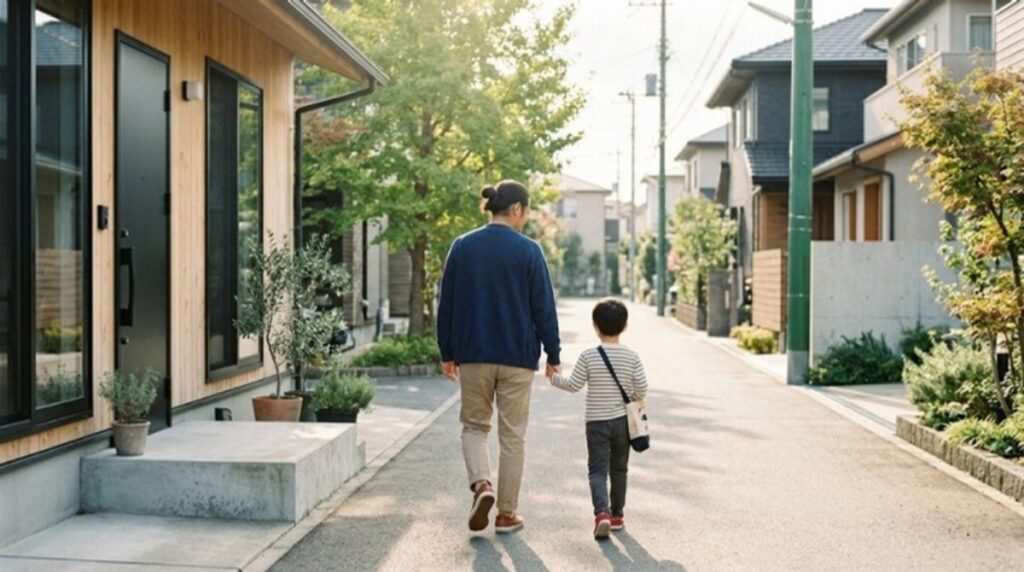
- Individuals who, even after divorce or the death of a Japanese spouse or permanent resident, still have their primary place of residence in Japan—particularly those raising children with Japanese citizenship
- Individuals recognized as refugees, relatives of Japanese nationals left behind in China, and others
4. What factors are considered when changing to "Permanent Resident" status after divorce or the death of a spouse?
One of the most common inquiries we receive concerns changing status from “Spouse or Other Relative of a Japanese National” to “Permanent Resident.” In such cases, the review process primarily focuses on the following points:
Key Points to Check
- The Nature and Duration of Marital Life (There is no minimum duration specified by law or guidelines)
- Are you actually raising a child with Japanese nationality? (Status of parental rights and custody)
- Do I have the income and ability to support myself on my own?
- Have you been paying your taxes, pension contributions, and health insurance premiums on time?
Looking at cases published by the Immigration Services Agency regarding changes in status from “Spouse or Other Relative of a Japanese National” to “Permanent Resident,” there are instances where the change was approved even when the marriage had lasted only about 3 years but had broken down due to domestic violence; conversely, there are also cases where the change was denied even though the marriage had lasted about 3 years and 10 months, simply because the applicant had spent a long period abroad alone. This shows that the decision is not based solely on the duration of the marriage, but is made after comprehensively considering various circumstances.
Be Mindful of Deadlines After a Divorce
- If you divorce or are widowed from a Japanese spouse,Within 14 daysYou must file a report with the Immigration Bureau.
- Activities as a spouse without just cause6 months or moreIf you fail to do so, you may be subject to revocation of your status of residence. Please begin preparing to change your status as soon as possible after your divorce.
5. What is the period of stay, and what activities are permitted?
The period of stay is 5 years, 3 years, 1 year, 6 months, or a period specified on a case-by-case basis by the Minister of Justice (not exceeding 5 years). Initially, a 1-year period is often granted, but as you renew your status and maintain a stable lifestyle, you are more likely to be granted a longer period.
There are no restrictions on employment, and as long as the requirements are met, you can bring your spouse and children to Japan.
6. Can I advance from "Resident" status to "Permanent Resident" status?
According to the guidelines on permanent residency, as a general rule, you must have lived in Japan for at least 10 years, but,As a permanent resident for 5 years or moreIf you continue to live in Japan, you may be eligible to apply for permanent residency under special circumstances. In this case as well, the authorities will review whether you have been paying your taxes, pension contributions, and health insurance premiums on time and whether you have a stable income.
7. What should I keep in mind when applying?
- Check to see if the explanations regarding marriage, divorce, and child custody are consistent across all documents.
- If there was a period when your income was low, explain the reason for it and your current lifestyle in advance.
- Apply well in advance, before your period of stay is about to expire.
The required documents vary depending on your circumstances. Our firm provides a list of documents tailored to your specific situation, along with the necessary forms.
Related Articles
- Spouse Visa (Marriage Visa) Application Guide|Requirements, Documents and Fees [2026]
- What is a Permanent Resident Visa in Japan?
summary
The "Permanent Resident" status allows holders to live in Japan long-term without restrictions on employment. However, since decisions regarding "Permanent Residence Outside the Scope of Notifications" vary depending on individual circumstances, it is important to provide thorough documentation explaining your marital life, child-rearing, and your established life in Japan.
Details of our support can be found onVisa Application Support.
We hope this information will be of some help to you as you continue your life in Japan, even amid major life changes such as divorce or the death of a spouse. Please feel free to contact us if you have any questions.
[Reference Materials]
- Japan Immigration Services Agency: "Residence Status: 'Long-Term Resident'"
- Japan Immigration Services Agency, “Cases in Which Applications for a Change of Status of Residence from ‘Spouse, etc. of a Japanese National’ or ‘Spouse, etc. of a Permanent Resident’ to ‘Long-Term Resident’ Were Approved and Cases in Which They Were Not Approved” (PDF)
- Japan Immigration Services Agency: “Application for Permission to Change Status of Residence”
- Immigration Services Agency of Japan, “Guidelines on Permanent Residence Permits”

ABOUT US
Horiuchi Gyoseishoshi Office
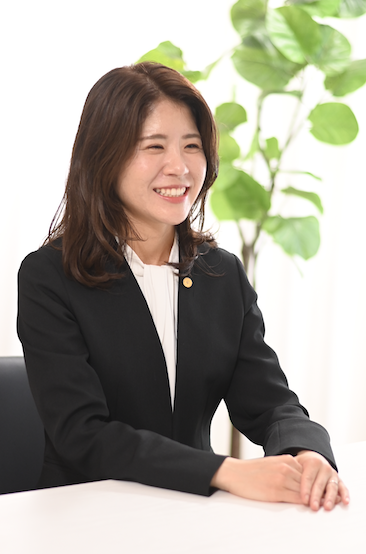
Administrative Scrivener Yukiko Horiuchi
- Member of Shinjuku Branch, Tokyo Gyoseishoshi Association
- Tokyo Immigration and Residency Management Bureau, Application Agency Gyoseishoshi Scrivener
- Member of Foreign Employment Support Organization (FESO)
Access
- 1 minute walk from Higashi-Shinjuku Station on the Tokyo Metro Fukutoshin Line
- 1 minute walk from Higashi-Shinjuku Station on the Toei Oedo Line
- 10-minute walk from Seibu-Shinjuku Station (Seibu Shinjuku Line)
- 10-minute walk from Shin-Okubo Station (JR Yamanote Line)
- 15-minute walk from Shinjuku Station on the JR Yamanote Line
- 15-minute walk from Okubo Station (JR Chuo-Sobu Line)
If you have any questions regarding residency status (visas), permanent residency, naturalization, or starting a business, please feel free to contact us.