The permanent resident visa is a status of residence that is very flexible and has few restrictions on activities for foreigners living in Japan on a mid- to long-term basis. In particular, it is often applied to those who wish to continue living in Japan after divorce or bereavement from a Japanese national, Japanese Americans of Japanese descent, adopted children, and people with refugee status, etc. It is one of the residence statuses that can be applied to various life stages.
Table of Contents
- What is a permanent resident visa?
- Main cases eligible for a permanent resident visa
- Requirements and examination points
- Documents required for application
- Advantages of the Permanent Resident Visa
- Points to note about the permanent resident visa
- Steps from Permanent Resident Visa to Permanent Resident Visa
- Professional Support
What is a permanent resident visa?
A permanent resident is a status of residence granted to foreign nationals who are granted special permission to stay in Japan by the Minister of Justice, taking individual circumstances into consideration. They are basically free to work and engage in activities related to their daily lives in Japan, and there are no restrictions on employment status or type of work. Foreigners with diverse backgrounds, such as family structure and humanitarian circumstances, are eligible for this status.
Main cases eligible for a permanent resident visa
- If you are raising a child after divorce or bereavement from a Japanese spouse
- Nikkei (Nisei, Sansei, etc.)
- Foreign nationals adopted by a Japanese national (adopted at less than 6 years of age)
- Persons with refugee status granted asylum in Japan and persons in need of humanitarian consideration
- Children of permanent and permanent residents
Requirements and examination points
- I wish to change my status of residenceGood Reason(e.g., have a life base in Japan even after divorce)
- ability to maintain one's livelihood(stable income, dependent status, etc.)
- Past Residency Status(Compliance with laws and regulations, behavior, etc. during the period of stay)
Documents required for application
- Application for Change of Status of Residence
- Statement of reasons (explaining the need for continued living in Japan)
- Certificate of residence (for all household members)
- Certificate of Marriage, Divorce, or Birth of a Child
- Proof of income (withholding tax, taxation certificate, etc.)
- Copies of bank passbooks and records of living expenses and expenditures
- Letter of reference (e.g., Japanese family member or employer)
Advantages of the Permanent Resident Visa
- No restrictions on activities: Freedom to work, start a business, or change jobs
- Renewals are possible: Long-term stays are possible with renewal at regular intervals.
- Family members can also be accompanied: You can bring in your spouse and children.
Points to note about the permanent resident visa
- Residency is subject to expiration: Not a permanent residence and requires periodic renewal
- Judging criteria are on an individual basis: Humanitarian considerations are required, and results vary from case to case.
- Consistency of documents is important: Be careful not to contradict the reasons for divorce, child support status, etc.
Steps from Permanent Resident Visa to Permanent Resident Visa
By staying in Japan stably for at least five years as a permanent resident and meeting the conditions of income, tax payment, and behavior,Possible to apply for permanent residenceThis will be the case. It is important to consider the acquisition of permanent residency when thinking about family stability and future life planning.
Professional Support
Our firm provides total support for changing visas after divorce, obtaining and renewing a permanent resident visa, and even stepping up to permanent residency. You can rely on us to prepare documents, correct your statement of reasons, and design an individualized strategy.
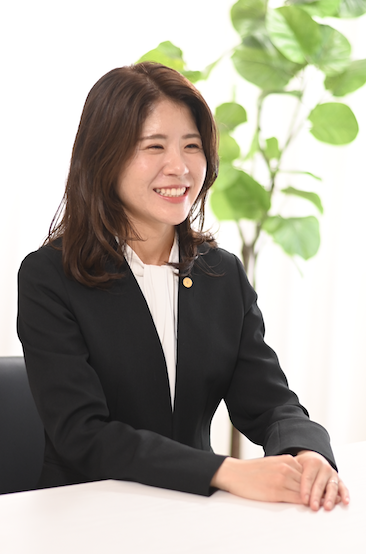
Horiuchi Gyoseishoshi Lawyer Office (Shinjuku Office, Tokyo))
Administrative Scrivener Yukiko Horiuchi
- Member of Shinjuku Branch, Tokyo Gyoseishoshi Lawyers Association
- Tokyo Immigration and Residency Management Bureau, Application Agency Gyoseishoshi Scrivener
- Member of Foreign Employment Support Organization (FESO)
Access: 1 min. walk from Higashi-Shinjuku Station / 10 min. walk from Shin-Okubo Station / 12 min. walk from Okubo Station
▶See our office introduction page